Cleaning is often viewed as a mundane chore, yet its importance stretches far beyond the surface shine of a tidy space. Whether at home, in the office, or within public spaces, maintaining cleanliness plays a crucial role in fostering a healthy environment. Dirt and clutter not only attract pests and harbor bacteria but also contribute to stress and decreased overall well-being. This blog post explores the significance of cleaning and its far-reaching effects on our lives.
By understanding the importance of cleaning, we can unlock the benefits that come with it—enhanced productivity, improved mental health, and a positive atmosphere. Clean environments promote focus and creativity, while also reducing the likelihood of illness. In the following sections, we will delve into the comprehensive advantages of maintaining cleanliness and explore why neglecting this vital task can lead to long-term consequences. Join us as we uncover the transformative power of cleaning and its vital role in our daily lives.
Understanding the importance of cleaning for a healthy environment
Cleaning plays a crucial role in maintaining a healthy environment, both at home and in public spaces. A clean environment reduces the risk of illness by minimizing the presence of germs, allergens, and toxins that can accumulate over time. Regular cleaning helps eliminate dust, mold, and bacteria, which are often invisible to the naked eye but can lead to serious health issues. By understanding the importance of cleaning, individuals can take proactive steps towards maintaining their well-being and encourage a culture of cleanliness in their communities.
Moreover, a clean environment promotes mental well-being. Clutter and dirt can contribute to feelings of stress and anxiety, making it hard to focus and relax. When spaces are well-organized and clean, they create a sense of order that can enhance mental clarity and tranquility. People who recognize the importance of cleaning often find that a tidy space fosters creativity and promotes positive energy, ultimately leading to a more harmonious living and working environment. Embracing cleanliness is essential for fostering not only physical health but also mental wellness in our daily lives.
The importance of cleaning in enhancing productivity and well-being
A clean environment significantly boosts productivity. When workspaces are clutter-free and organized, individuals can focus better on their tasks without distractions. Studies show that employees in clean and well-maintained workspaces demonstrate higher efficiency and creativity. By prioritizing cleaning, businesses not only foster a more enjoyable atmosphere for their staff but also encourage a culture of professionalism and respect for the workplace. Employees feel more motivated to perform at their best when they observe care and attention given to their surroundings.
Moreover, the importance of cleaning extends to personal well-being. Clean spaces reduce stress and anxiety, promoting mental clarity and emotional stability. People often feel more relaxed and energized in a tidy environment, enabling them to achieve greater personal satisfaction in their daily activities. By investing in regular cleaning practices, both individuals and organizations create a foundation for a healthier mindset, which is crucial for overall success. Recognizing this link between cleanliness and well-being can drive positive changes in both home and work life, ultimately contributing to a happier and more productive existence.
Long-term benefits: Why the importance of cleaning cannot be ignored
The importance of cleaning extends beyond immediate aesthetics; it lays the foundation for long-term health and well-being. Regular cleaning routines prevent the accumulation of dirt, allergens, and harmful bacteria, which can lead to serious health issues over time. By maintaining a clean environment, individuals reduce their risk of respiratory problems, infections, and other illnesses. Moreover, a clean space promotes better mental health, reducing feelings of anxiety and stress. When clutter is minimized, and surfaces are sanitized, individuals can enjoy a sense of calm and clarity, fostering a more positive atmosphere conducive to relaxation and productivity.
In addition to health benefits, the importance of cleaning significantly impacts property value and longevity. Regular upkeep of homes and offices protects against wear and tear, which can arise from neglect and dirt buildup. For example, clean surfaces are less prone to damage, and routine maintenance helps appliances and fixtures last longer. Beyond personal spaces, businesses that prioritize cleanliness demonstrate professionalism and care, creating a welcoming environment for clients and customers. By investing in cleaning, both individuals and organizations secure long-term advantages, from safeguarding health to enhancing property value. Ignoring the importance of cleaning can lead to avoidable costs and diminished quality of life.
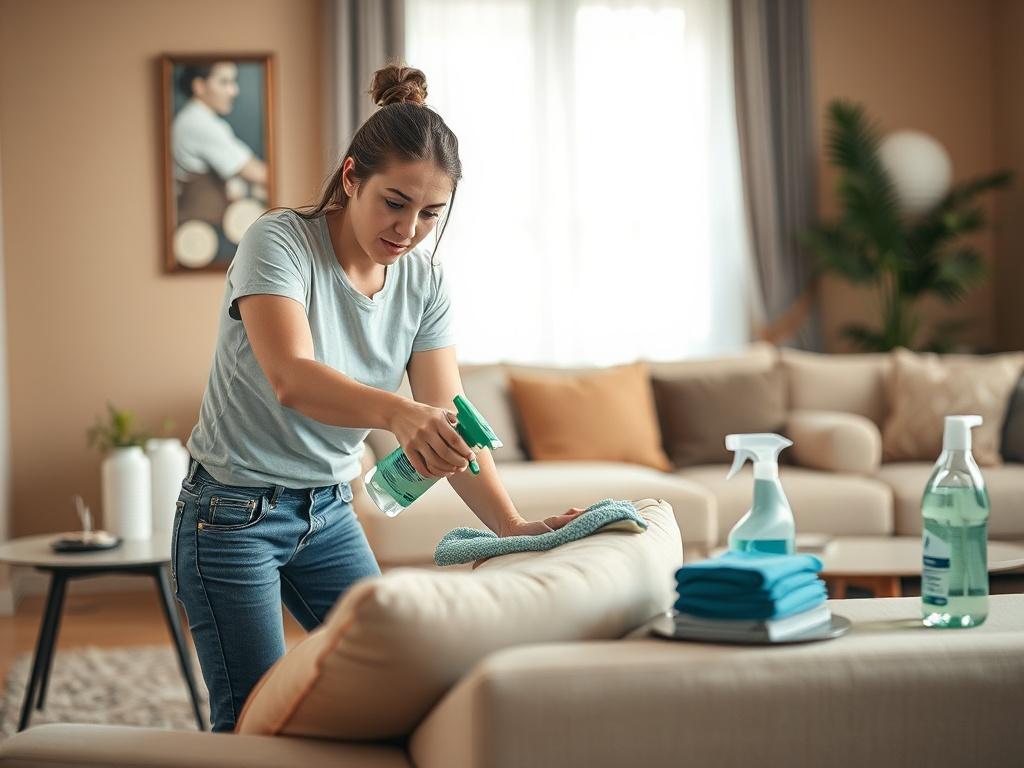
Cleaning your home can feel like a daunting task, especially when you try to maintain a spotless and inviting environment. However, many people unknowingly fall into common cleaning mistakes that hinder their efforts and may even cause more harm than good. By understanding these pitfalls, homeowners can transform their cleaning routines and create a healthier, more organized space. In this blog post, we’ll explore the various ways these mistakes can affect your home and offer practical advice on how to avoid them.
From using the wrong cleaning products to neglecting essential areas, it's easy to overlook effective cleaning strategies. In the following sections, we will identify the top common cleaning mistakes and provide actionable tips to ensure you achieve the cleanliness you desire. Whether you're a novice or a seasoned cleaner, our expert insights will help you refine your approach and maintain a pristine home. Dive in to learn how to avoid common cleaning mistakes and elevate your cleaning game for a spotless living space!
Understanding common cleaning mistakes and how they impact your home
Cleaning might seem straightforward, but many people unknowingly make common cleaning mistakes that can significantly impact their home’s environment. For instance, using the wrong cleaning products on specific surfaces can lead to damage, leaving you with costly repairs and unsightly blemishes. Additionally, inadequate cleaning techniques may spread germs rather than eliminate them, resulting in a less-than-sanitary living space. Understanding these pitfalls is essential to maintaining a clean and healthy home.
Awareness of common cleaning mistakes can save time and effort while promoting a more effective cleaning routine. For example, overlooking high-traffic areas and neglected spots often leads to a build-up of dust, allergens, and dirt, compromising indoor air quality. Moreover, failing to read labels and misusing cleaning tools can give you subpar results. By highlighting these issues, this blog will empower you to recognize and rectify these cleaning errors, ensuring that your home remains a welcoming and hygienic haven.
Top common cleaning mistakes and how to avoid them effectively
One of the most prevalent cleaning mistakes is using the wrong cleaning products for specific surfaces. For instance, using abrasive cleaners on delicate surfaces like marble or granite can lead to scratches and damage. To avoid this mistake, always read the labels on your cleaning products and match them with the intended surface. Invest in specialized cleaners to maintain the integrity of your home's materials. Additionally, keep a guide or reference list handy that outlines which cleaners work best for various surfaces to ensure you make the right choices every time.
Another mistake that many people make is neglecting to clean their cleaning tools. Sponges, mops, and vacuum filters can harbor dirt, bacteria, and grime if not properly maintained. This can diminish the effectiveness of your cleaning efforts. To counteract this, regularly sanitize your cleaning tools and replace them as needed. For example, wash sponges and cloths in hot water or a diluted bleach solution, and consider purchasing machine-washable mop heads. Making a habit of caring for your cleaning tools will improve your overall cleaning results and keep your home truly fresh and clean.
Expert tips on common cleaning mistakes and how to avoid them for a spotless space
To achieve a truly spotless home, it's essential to leverage expert insights on cleaning strategies. First, always read the labels on cleaning products. Many individuals make the mistake of combining various cleaners without checking for compatibility, leading to harmful chemical reactions. Instead, opt for a cleaner specifically designed for the surface you're tackling. For example, using glass cleaner on mirrors is effective, while multi-surface cleaners work well on countertops. Additionally, consider using microfiber cloths for dusting and wiping surfaces, as they trap dirt and bacteria far better than traditional cotton cloths.
Another common cleaning mistake involves neglecting routine maintenance. Establish a cleaning schedule and stick to it. This not only helps in breaking tasks into manageable portions but also prevents the buildup of dirt and grime. Furthermore, focus on high-traffic areas first, such as entryways and living spaces, where dirt accumulates quickly. Don't forget to incorporate deep-cleaning practices at least seasonally. This might include washing windows, dusting ceiling fans, and vacuuming behind furniture. By addressing these aspects, you can avoid the pitfalls of common cleaning mistakes and create a consistently spotless environment.